Fluoride is one of the most discussed ingredients in preventive dentistry.
Some patients have used fluoride toothpaste their entire lives without thinking about it.
Others specifically ask:
“Do I really need fluoride, and is it safe?”
Understanding what fluoride actually does makes that question easier to answer.
What Is Fluoride?
Fluoride is a naturally occurring mineral.
In dentistry, fluoride is used because of its interaction with tooth enamel and the process of tooth decay.
How Do Cavities Begin?
Bacteria in dental plaque metabolize certain carbohydrates and produce acids.
These acids can pull minerals out of enamel.
This process is called demineralization.
If demineralization repeatedly exceeds the tooth’s ability to repair itself, a cavity can eventually form.
What Does Fluoride Do?
Fluoride can help enamel become more resistant to acid attack and support the remineralization process.
Its preventive effect is especially useful when teeth are repeatedly exposed to cavity-causing conditions.
Can Fluoride Reverse a Cavity?
This requires an important distinction.
Very early enamel demineralization may sometimes be arrested or remineralized before a physical hole develops.
Once tooth structure has cavitated and a true defect exists, fluoride does not simply rebuild the missing tooth.
Related: Can a Cavity Go Away on Its Own?
Where Do We Get Fluoride?
Common sources include:
- Fluoridated toothpaste
- Certain community water supplies
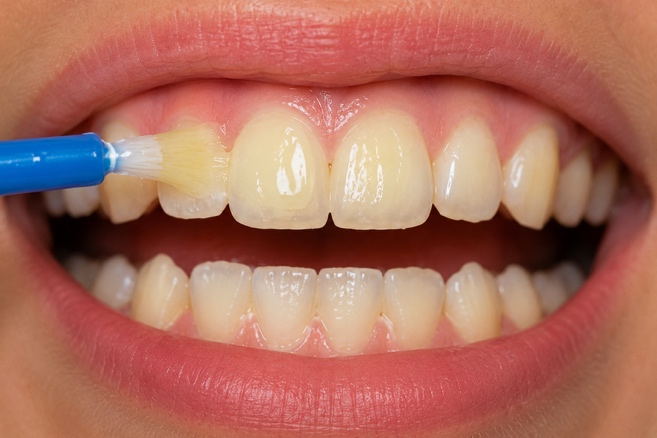
- Professional fluoride varnish
- Prescription fluoride products in selected patients
The amount and concentration vary significantly between sources.
Is Fluoride Safe?
Like many substances used in healthcare, safety depends on dose and appropriate use.
Topical fluoride products are designed to provide a dental benefit when used according to instructions.
Children should use age-appropriate amounts of toothpaste and be supervised to reduce unnecessary swallowing.
Who May Benefit Most From Professional Fluoride?
Professional fluoride may be particularly useful for patients with increased cavity risk, including those with:
- Frequent cavities
- Exposed tooth roots
- Dry mouth
- Orthodontic appliances
- Certain dietary habits
- Reduced saliva
- Difficulty maintaining oral hygiene
- Extensive restorative history
Not every adult necessarily has identical fluoride needs.
What About Adults?
Fluoride is not only for children.
Adults with exposed root surfaces, dry mouth, frequent decay, or other risk factors may benefit significantly from additional topical fluoride.
Does Fluoride Replace Brushing and Flossing?
No.
Fluoride is one part of cavity prevention.
Other important factors include:
- Plaque removal
- Cleaning between teeth
- Diet
- Saliva
- Frequency of sugar exposure
- Regular dental evaluation
Why Does Sugar Frequency Matter?
Every exposure to fermentable carbohydrates can create an acidic period in the mouth.
Repeated snacking or sipping sweetened beverages throughout the day can create more frequent acid attacks.
Fluoride helps strengthen enamel, but it cannot completely overcome constant high-risk habits.
Why Do Some People Get Cavities Even With Fluoride?
Cavity risk is multifactorial.
It depends on:
- Bacterial activity
- Diet
- Saliva
- Tooth anatomy
- Oral hygiene
- Fluoride exposure
- Existing restorations
- Medical factors
- Dry mouth
No single preventive measure guarantees that someone will never develop a cavity.
Do Dental X-Rays Help Find Cavities?
Yes.
Some cavities—particularly those developing between teeth—may not be visible during a visual examination alone.
Related: Do I Really Need Dental X-Rays? Are They Safe?
How Often Should You See the Dentist for Prevention?
The appropriate interval depends on your individual dental and periodontal risk.
Related: How Often Should You Really Go to the Dentist?
Frequently Asked Questions
Is fluoride only for children?
No. Adults with elevated cavity risk can also benefit.
Can fluoride rebuild a large cavity?
No. Once significant tooth structure has been physically lost, restorative treatment may be necessary.
Do I still need fluoride if I brush well?
Good plaque control and fluoride work in different ways. Individual recommendations depend on cavity risk.
Can you have too much fluoride?
Yes. Appropriate dosing and use matter, particularly while children’s permanent teeth are developing.
The Bottom Line
Fluoride is not a substitute for good oral hygiene, diet, or regular dental care.
It is one tool that can strengthen enamel, support remineralization, and reduce cavity risk when used appropriately.
At Chastain Dental Studio, we base preventive recommendations on the individual patient’s cavity risk rather than automatically treating every person the same. For our patients throughout Chastain Park, Buckhead, Sandy Springs, and North Atlanta, the goal is straightforward: preserve healthy natural teeth with the least invasive care possible.