Many people grind or clench their teeth without realizing it.
Because bruxism frequently happens during sleep, your first clue may come from your dentist—or from the person sleeping next to you.
What Is Bruxism?
Bruxism refers to repetitive grinding or clenching of the teeth.
It can occur:
- While awake
- During sleep
- During periods of concentration
- During stress
Not every person who clenches needs a nightguard.
The important question is whether the forces are creating damage or symptoms.
Signs You May Be Grinding
Possible signs include:
- Flattened teeth
- Worn enamel
- Small chips
- Cracks
- Fractured fillings
- Jaw soreness
- Morning muscle fatigue
- Grinding sounds during sleep
- Tooth sensitivity
Can Grinding Crack Teeth?
Heavy repetitive forces may contribute to cracks or accelerate damage in already weakened teeth.
Large fillings and structurally compromised teeth can be particularly vulnerable.
Related: Cracked Tooth: Symptoms, Treatment, and When It Becomes an Emergency
Can Grinding Cause Sensitive Teeth?
It can contribute.
Wear, cracks, exposed dentin, and stress on teeth can all create sensitivity.
Related: Why Are My Teeth Sensitive to Cold and Hot?
What Does a Nightguard Actually Do?
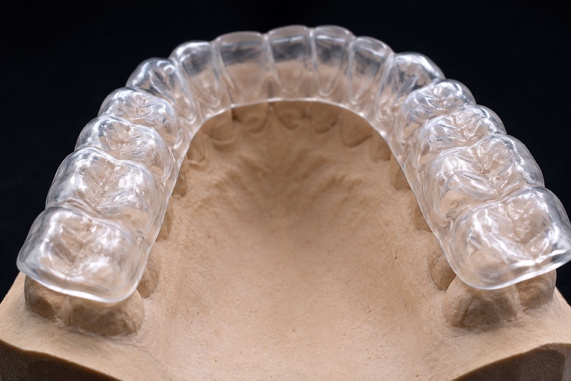
A nightguard creates a protective barrier between the upper and lower teeth.
Depending on its design, it can:
- Reduce direct tooth-to-tooth wear
- Protect restorations
- Distribute forces
- Provide a controlled biting surface
It does not necessarily eliminate the neurological habit of bruxism.
Will a Nightguard Stop Me From Grinding?
Not necessarily.
Many patients continue generating muscular forces while wearing the appliance.
The primary goal is often protection, not curing the underlying habit.
Custom Nightguard vs. Store-Bought Guard
Over-the-counter guards are inexpensive and readily available.
Custom dental appliances are fabricated to fit the patient’s teeth and bite more precisely.
Fit, thickness, material, retention, and bite design can all influence comfort.
Do You Need a Nightguard Just Because You Have Wear?
Not automatically.
Some wear may have occurred years ago and may no longer be actively progressing.
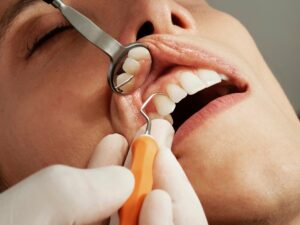
Dentists should evaluate:
- Current wear
- Fractures
- Symptoms
- Bite
- Existing restorations
- Evidence of active grinding
Is a Nightguard the Same as a Sports Mouthguard?
No.
They are designed for very different purposes.
Related: Nightguard vs. Sports Mouthguard: What’s the Difference?
Frequently Asked Questions
Can grinding happen without jaw pain?
Yes.
Can a nightguard protect veneers and crowns?
It may be recommended to reduce destructive bite forces on certain restorations.
Do nightguards last forever?
No. Heavy grinders may eventually wear through or damage them.
Can stress cause grinding?
Stress may contribute to awake clenching and can influence bruxism patterns, although sleep bruxism is multifactorial.
The Bottom Line
A nightguard is most useful when there is evidence that grinding or clenching is creating meaningful risk to the teeth or restorations.
At Chastain Dental Studio, we evaluate wear patterns, fractures, bite forces, and symptoms before recommending an appliance for patients in Chastain Park, Buckhead, Sandy Springs, and North Atlanta.